



Time:2026-03-13 Views:0
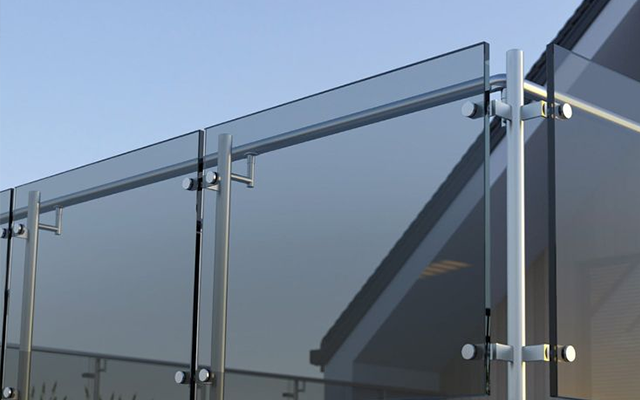
Straight staircases are one of the most common staircase types in residential buildings due to their simplicity, practicality, and cost-effectiveness. Designed to meet the daily needs of residents of all ages, including the elderly and children, residential building straight staircases prioritize safety, comfort, and accessibility. The design must comply with relevant building codes: the minimum width of the staircase should be no less than 1.1 meters to allow two people to pass each other, the treads should have anti-slip measures such as anti-slip strips or textured surfaces to prevent slipping, and handrails with a height of 900-1100mm should be installed on both sides to provide support for users. The platform between floors (landing) should have a clear width not less than the staircase width, ensuring a safe turning and resting space.
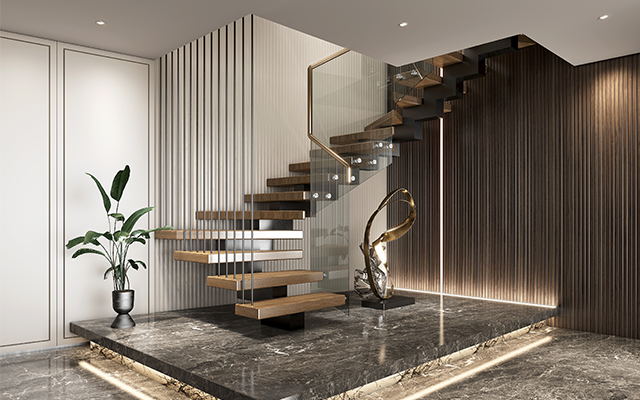
In terms of aesthetics and versatility, residential building straight staircases can be adapted to different interior styles. For modern minimalist residences, the staircase can be designed with a clean line structure, using materials such as white solid wood, gray concrete, or black steel to create a simple and elegant atmosphere; for traditional or pastoral styles, solid wood treads and handrails with carvings or curved lines can be selected to add warmth and texture. In high-rise residential buildings, straight staircases also serve as an important emergency evacuation channel, so the design must ensure unobstructed access, sufficient lighting (natural or artificial), and fire-resistant materials to meet fire safety requirements. The combination of practicality, safety, and aesthetic adaptability makes straight staircases an indispensable part of residential building design.







 CN
CN