

Time:2025-03-22 Views:0
UPVC (Unplasticized Polyvinyl Chloride) glass doors have emerged as a popular choice in modern construction, offering a harmonious blend of aesthetic appeal, functionality, and cost - effectiveness. These doors are widely used in both residential and commercial settings, providing an efficient and attractive solution for various entryways and partitions. This in - depth exploration will cover all aspects of UPVC glass doors, including their design features, materials used, installation process, energy efficiency, security aspects, maintenance requirements, and the advantages they hold over other door types.
Design Features
Aesthetic Versatility
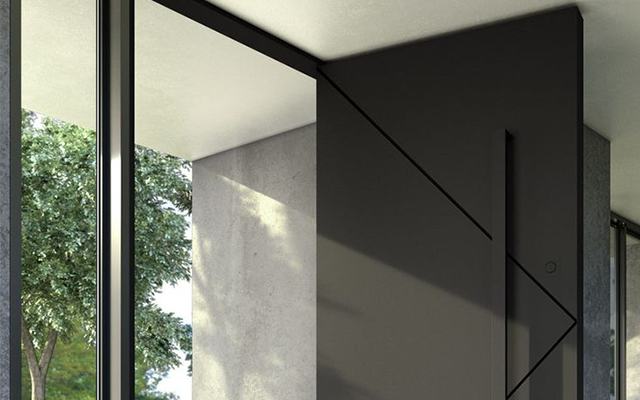
UPVC glass doors come in a wide range of designs to suit different architectural styles. For contemporary homes and offices, sleek and minimalist UPVC frames paired with large, clear glass panels create an open and airy feel. The smooth, clean lines of the UPVC profiles contribute to a modern look, while the transparency of the glass allows for unobstructed views and abundant natural light to flood the interior spaces. This design is particularly popular in living rooms, kitchens, and office reception areas where a bright and inviting atmosphere is desired.
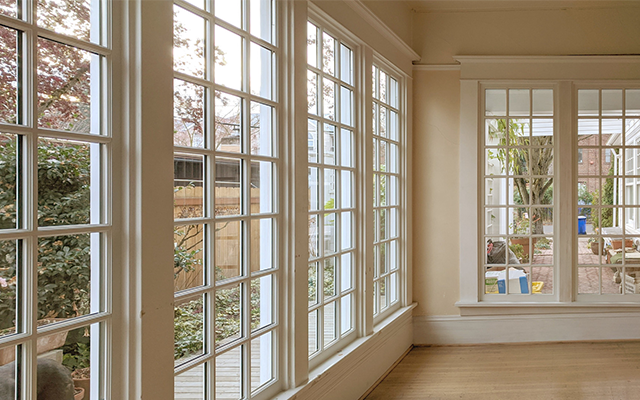
On the other hand, for more traditional or classic - style buildings, UPVC glass doors can be designed with decorative elements. Some models feature simulated wood grain finishes on the UPVC frames, mimicking the warmth and elegance of real wood. These doors often incorporate stained or frosted glass panels, adding a touch of privacy and charm. Such designs are well - suited for historic homes, traditional restaurants, or buildings aiming to maintain a classic aesthetic.
Configuration Options
UPVC glass doors are available in various configurations to meet different functional needs. The most common types include hinged doors, which swing open on hinges, and sliding doors, which move horizontally along tracks. Hinged UPVC glass doors can be single - leaf or double - leaf. Single - leaf hinged doors are simple and space - saving, ideal for smaller entryways or interior room dividers. Double - leaf hinged doors, on the other hand, offer a more grand entrance and are often used in larger openings, such as main entrances of commercial buildings or spacious living areas.
Sliding UPVC glass doors are highly popular for their space - saving design. They are a great choice for areas where floor space is limited, like patios, balconies, or narrow hallways. Some sliding doors are designed with a pocket - sliding mechanism, where the door panels slide into a recessed pocket in the wall when opened, creating an unobstructed view and maximizing the available space. This configuration is especially beneficial in modern open - plan living spaces.
Materials Used
UPVC Frames
The UPVC material used in door frames is a type of rigid plastic that offers numerous advantages. It is lightweight, which makes the doors easy to handle during installation and operation. Despite its light weight, UPVC is remarkably strong and durable. It has excellent resistance to impact, which means it can withstand normal wear and tear, as well as accidental bumps without getting damaged easily.
UPVC is also highly resistant to corrosion, rust, and rot. Unlike metal or wood frames, UPVC does not react with moisture, chemicals, or environmental pollutants, ensuring a long lifespan. This makes it an ideal material for exterior doors, as it can endure harsh weather conditions, including rain, snow, and strong sunlight, without deteriorating. The material is also low - maintenance, as it does not require regular painting, staining, or sealing to keep its appearance and functionality.
Glass Panels
The glass panels in UPVC glass doors are a crucial component, both for aesthetics and functionality. Clear glass is a standard option, providing maximum visibility and allowing for a seamless connection between indoor and outdoor spaces. It is perfect for areas where a view of the surroundings is desired, such as in patio doors overlooking a garden or in storefront doors to attract customers.
Tinted glass, on the other hand, offers advantages in terms of privacy and heat control. Tinted glass reduces the amount of visible light and UV rays that enter the building, providing a degree of privacy while still allowing sufficient light for interior illumination. It also helps in reducing heat gain, which is particularly beneficial in sunny climates. This can lead to energy savings as it reduces the need for excessive air - conditioning.
Frosted or patterned glass is used when enhanced privacy is required. These types of glass obscure the view while still allowing light to pass through. They are commonly used in bathroom doors, office partitions, or in areas where complete privacy from the outside is necessary. Laminated glass, which consists of two or more layers of glass bonded together with a plastic interlayer, is often used for security - sensitive applications. In the event of breakage, the plastic interlayer holds the glass pieces in place, preventing shards from scattering and providing increased resistance to impact.
Installation Process
Precise Measuring and Preparation
Before installing UPVC glass doors, accurate measuring and thorough preparation are essential. The first step is to measure the door opening precisely. The width, height, and depth of the opening must be measured with great accuracy to ensure a proper fit for the door unit. Any irregularities in the opening, such as uneven walls or floors, need to be identified and corrected. If the opening is not square, it can cause problems with the installation and the proper functioning of the door.
The area around the opening should be cleared of debris, and the sub - floor or wall surface should be clean and level. For exterior installations, proper weather - proofing measures need to be taken. This may involve applying waterproof membranes or sealants to prevent water infiltration, which could damage the door frame and the surrounding structure over time. Additionally, the installation location should be evaluated for any potential obstacles or interferences that could affect the installation process or the future operation of the door.
Door Frame Installation
Once the opening is prepared, the UPVC door frame is installed. The frame is typically pre - assembled and comes in sections that are joined together on - site. The frame is placed in the opening and leveled using shims. It is crucial to ensure that the frame is perfectly level and plumb, as any misalignment can affect the smooth operation of the door, whether it is a hinged or sliding type. The frame is then anchored to the surrounding structure using appropriate fasteners, such as screws or bolts. The choice of fasteners depends on the type of building material (e.g., concrete, brick, or wood) and local building codes.
After the frame is securely in place, sealants are applied around the perimeter of the frame. These sealants create a watertight and airtight seal, preventing drafts and water leakage. High - quality sealants that are resistant to weathering and UV rays are used to ensure long - term performance. For sliding doors, the tracks for the door panels are installed at this stage. The tracks must be installed with precision to ensure that the panels move smoothly. The top and bottom tracks should be parallel to each other, and the rollers on the panels should fit snugly into the tracks.
Glass Panel and Hardware Installation
Following the frame and track installation (for sliding doors), the glass panels are carefully inserted into the frame. Special care is taken during this process to avoid scratching or damaging the glass. The glass panels are held in place by glazing beads, which are strips of UPVC or rubber. Glazing beads not only secure the glass but also provide additional weather - proofing.
Hardware components, such as handles, locks, hinges (for hinged doors), and rollers (for sliding doors), are then installed. High - quality hardware is essential for the proper functioning and security of the door. Handles should be ergonomic and easy to grip, considering the frequent use of the door. Locks, especially for exterior doors, should be of a high - security grade, with options such as deadbolts, multi - point locking systems, or electronic access control systems. The hinges on hinged doors and the rollers on sliding doors should be of good quality to ensure smooth and quiet operation.
Energy Efficiency
Thermal Performance
UPVC glass doors can significantly contribute to the energy efficiency of a building. The UPVC material itself has good insulating properties. The multi - chambered design of UPVC frames helps to trap air, creating additional insulation. This trapped air acts as a barrier to heat transfer, reducing the amount of heat that enters or exits the building through the door.
When combined with energy - efficient glass, such as double - glazed or Low - E (low - emissivity) glass, the energy - saving potential of UPVC glass doors is further enhanced. Double - glazed glass, with its two - pane construction and insulating air or gas gap between the panes, provides excellent thermal insulation. In winter, it helps to keep the warm air inside the building, reducing the need for excessive heating. In summer, it blocks the heat from outside, keeping the interior cooler. Low - E glass, with its special coating, reflects heat back into the building during colder months and blocks solar heat in summer, further improving energy efficiency.
Air Tightness
Another important aspect of energy efficiency in UPVC glass doors is air tightness. A well - installed door with proper seals around the frame and between the glass panels will prevent air leakage. Air leakage can disrupt the indoor temperature and force the heating or cooling system to work harder. UPVC doors are designed with high - quality weatherstripping materials that create a tight seal around the door, ensuring that air does not escape or enter. This air - tight design, combined with the thermal performance of the frame and glass, contributes to a more energy - efficient building envelope.
Security Features
Robust Construction
The UPVC frames of glass doors are designed to be robust and resistant to forced entry. The strength of the UPVC material, along with its impact - resistant properties, makes it difficult for intruders to break or pry the door open. The frames can withstand significant force, providing a high level of security. Additionally, the option of using laminated glass in the panels adds an extra layer of protection. Laminated glass is more resistant to shattering, and even if it is broken, the plastic interlayer holds the glass pieces in place, preventing easy access to the interior.
Advanced Locking Systems
UPVC glass doors can be equipped with a variety of advanced locking systems. Standard locks include key - operated deadbolts and latch locks. For higher - security applications, multi - point locking systems can be installed. These systems engage at multiple points along the frame and the door panel, making it much more difficult for an intruder to force the door open. Electronic access control systems, such as key card readers, keypad entry systems, or biometric scanners, are also becoming increasingly popular in UPVC door applications. These systems offer enhanced security by allowing building owners to control who has access to the property and by providing a record of entry and exit times.
Maintenance Requirements
Regular Cleaning
UPVC glass doors are relatively easy to maintain. Regular cleaning is recommended to keep them looking their best. The UPVC frames can be cleaned with a mild soap and water solution. A soft cloth or sponge should be used to avoid scratching the surface of the UPVC. For more stubborn dirt or stains, a non - abrasive cleaner specifically designed for UPVC can be used. The glass panels can be cleaned using a standard glass cleaner and a squeegee for a streak - free finish. It is important to clean the tracks (for sliding doors) regularly, as dirt and debris can accumulate in the tracks, affecting the smooth movement of the door panels. A vacuum cleaner can be used to remove loose debris, followed by a wipe - down with a damp cloth.
Periodic Inspection
Periodic inspection of the doors is crucial to ensure their continued proper operation. The hinges, handles, locks, and rollers (for sliding doors) should be inspected for signs of wear and tear. Loose screws or bolts should be tightened immediately. If any parts show signs of damage, such as a broken hinge or a malfunctioning lock, they should be replaced promptly. The seals around the frame and between the glass panels should also be inspected regularly. Cracks or gaps in the seals can lead to air and water leakage, reducing the energy efficiency of the building and potentially causing damage to the interior. If necessary, the seals can be resealed or replaced.
Advantages over Other Door Types
Compared to Wood Doors
Wooden doors may have a traditional charm, but they come with several drawbacks compared to UPVC glass doors. Wood is prone to rot, especially in humid environments. It requires regular painting or staining to protect it from moisture and to maintain its appearance. UPVC doors, on the other hand, are highly resistant to corrosion and do not require such frequent maintenance. UPVC also has a longer lifespan than most wooden doors, making it a more cost - effective choice in the long run. Additionally, UPVC doors are generally more lightweight, which can make them easier to install and operate.
Compared to Aluminum Doors
While aluminum doors are strong and durable, UPVC glass doors offer some unique advantages. UPVC has better insulating properties than aluminum, which means UPVC doors are more energy - efficient. Aluminum doors may also be prone to heat transfer through the metal frames, while UPVC frames with their multi - chambered design and air - trapping capabilities reduce heat transfer. In terms of cost, UPVC doors are often more affordable than aluminum doors, especially when considering the overall cost of ownership, including maintenance and energy savings.
Conclusion
UPVC glass doors offer a wide range of benefits, making them an attractive option for both residential and commercial applications. Their design versatility, energy efficiency, security features, and low - maintenance requirements make them a practical and cost - effective choice. With proper installation and maintenance, these doors can enhance the aesthetics of a building, provide a comfortable living or working environment, and contribute to the overall value of the property. As technology and design continue to improve, UPVC glass doors are likely to become even more advanced, meeting the evolving needs of modern construction and architecture. Whether for a new building project or a renovation, UPVC glass doors are an excellent choice for those seeking a combination of style, function, and durability.










 CN
CN